Why Two Tone Color Is the Playful Font Your Projects Are Missing
There’s a certain kind of design problem that calls for more than just a clean sans serif or a traditional serif font. You need something with personality, something that immediately communicates joy, creativity, and a modern, approachable vibe. This is where the Two Tone Color typeface comes in. It’s not just a font; it’s a creative asset that injects a specific, charming aesthetic into any project it touches. Think of it as a visual shortcut to feeling friendly, cute, and contemporary.
The Unique Personality of a Pastel Color Font
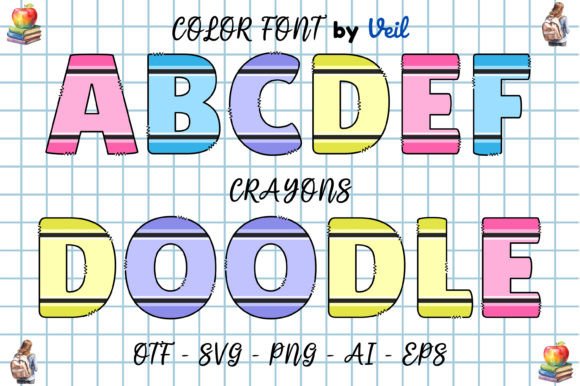
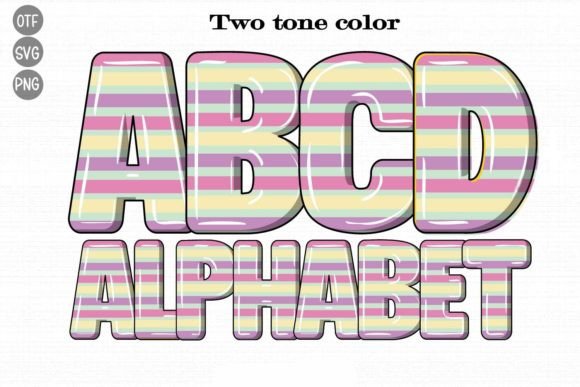
At its core, Two Tone Color is a premium display font defined by its dual-tone, pastel color scheme. The letterforms themselves are often rounded, soft, and have a friendly, almost handwritten quality, but it’s the color treatment that sets it apart. Each character is rendered with two harmonious pastel shades, creating a subtle depth and visual interest that a single-color font simply can't achieve. This isn't just typography; it's a small piece of illustration built into every letter you type.
The overall appeal is decidedly lovely and cute, making it a perfect creative font for projects targeting a younger audience or aiming for a whimsical, lighthearted feel. However, its design is sophisticated enough to avoid looking childish. It strikes a balance that works for adults who appreciate a touch of playful modernity in their design assets. The style evokes a sense of handcrafted care, similar to the best handwritten fonts or script fonts, but with a more structured and consistent look that ensures clarity.
Where This Creative Font Truly Shines
Understanding where Two Tone Color fits is key to using it effectively. Its strengths lie in applications where personality and immediate visual impact are more important than dense, long-form text. It’s a specialist, not a generalist, and that’s its power.
- Branding & Logo Design: For brands that want to project approachability, creativity, and fun—think children's boutiques, bakery shops, craft studios, or indie cosmetic lines—this font can be a cornerstone of a memorable brand identity. It works beautifully in logos, wordmarks, and on business cards where you want to make a delightful first impression.
- Marketing & Social Media Graphics: In the crowded space of social media, grabbing attention is everything. Two Tone Color is fantastic for Instagram quotes, Facebook post headers, Pinterest pin titles, and sale announcements. Its unique color effect makes graphics stand out in a feed, potentially increasing engagement and click-through rates for marketers and content creators.
- Packaging & Product Design: Imagine this font on a sticker sheet, a planner cover, a t-shirt graphic, or the label for a gourmet cupcake mix. It instantly communicates a product that is fun, high-quality, and designed with a specific aesthetic in mind. For small business owners creating their own packaging, it’s a tool that adds a professional yet personal touch.
- Digital & Editorial Projects: Bloggers and publishers can use it for post titles, chapter headings in a digital cookbook, or callout quotes in an online magazine. It adds a burst of personality to editorial design without overwhelming the main body text, which should always use a highly readable serif or sans serif font.
- Personal & Craft Projects: For hobbyists and crafters, the applications are endless. Use it for birthday invitations, party decor, scrapbook titles, custom home decor signs, or digital stickers for GoodNotes planners. It’s a premium font that brings a professional polish to personal creations.
Practical Guidance for Choosing and Using Two Tone Color
Before you integrate Two Tone Color into your workflow, a few practical considerations will ensure the best results. This isn’t just about liking the look; it’s about strategic application.
Evaluate the Project Fit: First, ask if the font’s personality aligns with your project’s goals. It’s perfect for a children’s book cover but likely wrong for a corporate law firm’s annual report. Its strength is in conveying a specific tone—ensure that tone matches your message.
Understand the Technical Limitations: A crucial point to note is that the full color version of this font requires software that supports advanced OpenType color features. This typically includes professional design programs like Adobe Illustrator, Photoshop (with certain settings), and Affinity Designer. If you’re using it in a standard word processor or basic web design platform, it will likely appear as a single-color version. Always test it in your intended software before committing to a design.
Master the Font Pairing: Because Two Tone Color is so visually distinctive, it demands careful pairing. It should be used for headlines and key phrases, not for body text. Pair it with a simple, clean sans serif font like Montserrat, Poppins, or Open Sans for paragraph text. This creates a clear visual hierarchy, letting the display font do its job without causing visual clutter. Avoid pairing it with other ornate script or handwritten fonts, which would compete for attention.
Check the Styles and Licensing: When you acquire the font, review what’s included. Does it come with alternates, ligatures, or extra glyphs? Understanding the full character set can unlock more creative possibilities. Furthermore, if your project is commercial—a t-shirt you sell, a logo for a client—you must ensure you have the correct commercial license. Respecting font licensing is a non-negotiable part of professional practice.
Test for Readability and Scalability: Always print a sample or view your design at various sizes. While it’s designed for impact, you need to ensure the two-tone effect doesn’t muddy the letterforms at very small sizes. Its primary use is as a display typeface, so optimizing for larger, headline-sized applications is where it will always perform best.
In the landscape of modern typography, Two Tone Color