Crayons: A Playful Color Font for Creative Projects
When a design needs to feel less like a corporate directive and more like a genuine invitation, the choice of typeface is paramount. Standard serif or sans serif fonts often communicate stability and professionalism, but they can sometimes lack the warmth required for projects targeting a more personal, artistic, or youthful demographic. This is where the Crayons font enters the conversation. It is not merely a collection of letters; it is a design asset that immediately injects personality and tactile charm into any layout. As a creative font, it bridges the gap between digital precision and the organic imperfection of hand-drawn art.
The Visual Personality of Crayons
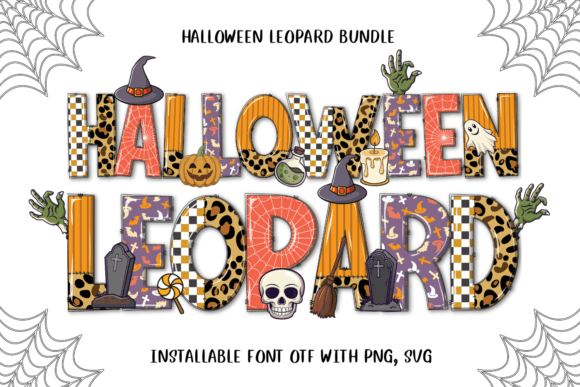
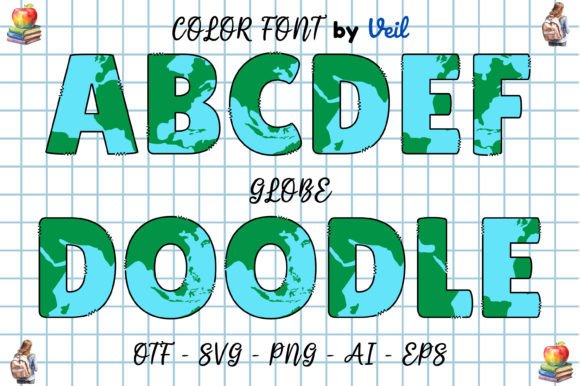
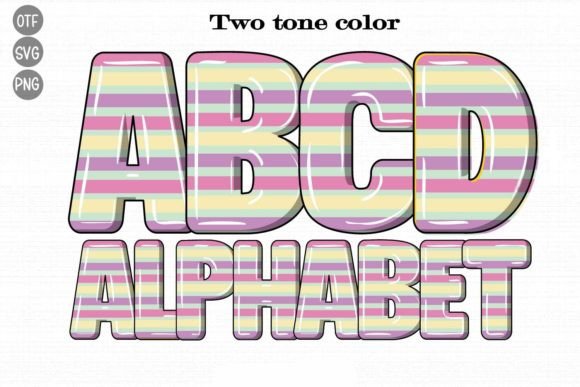
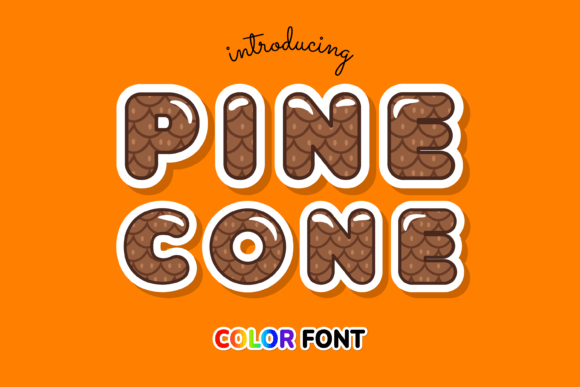
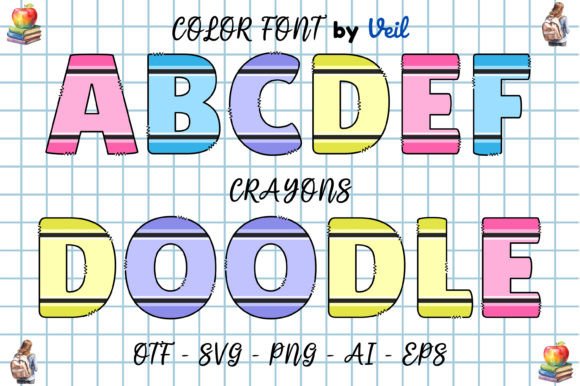
At its core, Crayons is a display typeface that mimics the texture and inconsistent line weight of a child’s wax crayon. However, to dismiss it as merely childish would be a mistake. The design utilizes a color font format, meaning the letters are pre-designed with gradients, shading, and multi-colored fills that simulate the look of real pigment on paper. This creates a sense of depth and movement that flat, single-color typography simply cannot achieve.
The visual style is undeniably playful, but it possesses a specific "artistic" quality that appeals to a wide range of creative professionals. The edges of the characters are slightly rough, avoiding the sterile vector perfection of standard modern typography. This texture gives the font a distinct voice—it speaks of creativity, weekends, tactile experiences, and unfiltered expression. For a brand identity that wants to appear approachable and human, this font offers an immediate solution. It provides the visual equivalent of a friendly smile, instantly disarming the viewer and inviting them to engage with the content.
Strategic Applications in Branding and Marketing
Understanding where to deploy a premium font like Crayons is just as important as the font itself. Because of its high visual impact, it functions best as a display font rather than for body copy. Think of it as the seasoning in a recipe—a little goes a long way to enhance the flavor, but too much can overwhelm the dish.
- Packaging Design: For artisanal goods, children’s products, or eco-friendly brands, Crayons can make a product jump off the shelf. It suggests that the product inside is crafted with care and perhaps a bit of whimsy.
- Social Media Graphics: In the endless scroll of a feed, a textured, colorful typeface grabs attention immediately. It is perfect for headers on Instagram stories, YouTube thumbnails, or Pinterest pins where stopping the scroll is the primary goal.
- Logo Design: While it may not suit a law firm or a bank, Crayons is an excellent choice for creative agencies, daycare centers, art studios, or family-focused blogs. It creates a brand identity that feels distinct and memorable.
- Editorial Design: Magazines and newsletters aimed at parents or hobbyists can use this font for pull quotes and section headers to break up the monotony of standard body text, adding a burst of energy to the page.
Influence on Audience Engagement and Perception
The psychological impact of typography is well-documented, and Crayons leverages this effectively. When a viewer sees this typeface, they do not just read a word; they experience a feeling. The font influences brand perception by signaling that a business is creative, accessible, and perhaps not afraid to break the rules.
For the audience of adults aged 20–50, this font often triggers nostalgia. It evokes memories of childhood art projects, coloring books, and carefree afternoons. This emotional connection can significantly boost audience engagement. A marketing email that uses Crayons for its subject line or header feels less like a sales pitch and more like a note from a friend. This approach is particularly effective for bloggers and content creators who rely on building a parasocial relationship with their followers. By using a handwritten font style, you are humanizing your digital presence.
Practical Guidance for Implementation
Integrating a creative font like Crayons into your workflow requires some practical considerations to ensure the results are professional rather than chaotic. Here is how to approach it:
- Evaluating Project Fit: Before downloading, ask yourself if the font matches the "voice" of the project. If the content is serious, technical, or highly formal, Crayons will likely clash with the message. However, if the goal is to be fun, artistic, or informal, it is a strong candidate.
- Testing Font Pairings: A display font rarely works alone. To maintain readability and visual hierarchy, pair Crayons with a clean, neutral typeface. A geometric sans serif font often works best for body text, as its clean lines provide a resting place for the eyes after the energetic display font. Avoid pairing it with a complex script font or a busy serif font, which can result in visual clutter.
- Reviewing Styles and Licensing: As a commercial font, it is essential to verify the licensing terms. Ensure the license covers your specific usage, whether it is for digital ads, merchandise, or print media. Also, check if the font includes different weights or styles (bold, italic) to give you more flexibility in your design hierarchy.
- Readability Considerations: Because of the textured, hand-drawn nature of the letters, avoid using Crayons for small text sizes. At low resolutions or small point sizes, the "crayon" texture can become muddy and difficult to decipher. Stick to large headings where the details of the design can be fully appreciated.
Enhancing Visual Hierarchy
One of the most effective ways to use Crayons is to establish a clear visual hierarchy. In a layout filled with standard text, the eye naturally wanders. By using this font for key headlines or calls to action, you create focal points that guide the viewer’s journey through the content.
For example, in a newsletter for a craft supply store, the main feature title could be set in Crayons, while the product descriptions and pricing remain in a legible sans serif font. This contrast not only looks professional but also makes the content easier to scan. The viewer can quickly identify the sections that interest them based on the visual weight and style of the headers. This strategic use of design assets ensures that the typography serves a functional purpose, not just a decorative one.
Conclusion: Adding Character to Your Canvas
Ultimately, Crayons is a tool for expression. It allows designers, marketers, and small business owners to step away from the rigid constraints of standard corporate typography and inject a bit of soul into their work. Whether you are designing a logo for a new startup, creating graphics for a community event, or laying out a personal blog, this font offers a way to connect with your audience on a more emotional level. By using it thoughtfully and pairing it with complementary typefaces, you can create designs that are not only visually striking but also deeply resonant with the people you are trying to reach. It proves that sometimes, the best way to be taken seriously is to show that you know how to have a little fun.