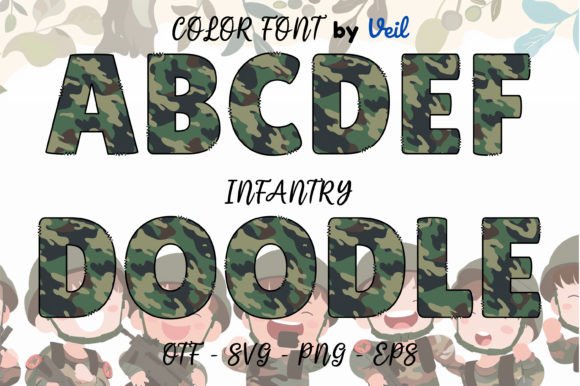
Infantry: A Playful Font for Creative and Artistic Designs
Finding the right typeface for a project often feels like a search for the perfect partner. It needs to have the right personality, the right energy, and the ability to communicate a message without saying a word. When a design brief calls for something that is both artistic and approachable, something that feels handmade yet polished, the search can become quite specific. This is where a font like Infantry enters the conversation. It’s a creative font designed to inject a sense of whimsy and artistic flair into a wide range of visual projects.
At its core, Infantry is a display font. This means it’s crafted to be used at larger sizes, where its unique character shapes and stylistic details can truly shine. Think of it less as a tool for body text in a lengthy report and more as the headline for a magazine cover, the title on a poster, or the logo for a new brand. Its visual personality is rooted in a playful, hand-lettered aesthetic. The letterforms often feature a gentle, flowing quality with subtle imperfections that give it an organic, human touch. This is a key part of its appeal; it avoids the sterile perfection of some digital fonts, instead embracing a warmth that can make a design feel more personal and inviting.
Where Infantry Truly Shines: Practical Applications
The strength of a font like Infantry lies in its versatility across projects that aim to connect on an emotional level. Its friendly and artistic style makes it a natural fit for industries and creators who want to project an image of creativity and care. For small business owners and entrepreneurs, particularly those in handmade goods, boutique retail, or artisanal food, Infantry can be a cornerstone of their brand identity. Imagine this typeface on packaging for organic granola, the logo for a craft brewery, or the signage for a local bookstore. It immediately communicates a story of craftsmanship and personality, helping to build a memorable brand perception.
For designers and marketers, the applications are just as broad. In editorial design, such as children’s books or lifestyle magazines, Infantry can create engaging headlines that draw the reader in. Its legibility at display sizes makes it a strong candidate for poster design, greeting cards, and invitations where the goal is to set a joyful or celebratory tone. In the digital space, this font can add a distinctive touch to social media graphics, helping a brand’s content stand out in a crowded feed. It can be used for quote graphics, promotional banners, or story highlights that need a burst of personality. The key is to use it strategically for elements that require high impact and a clear emotional message.
Integrating Infantry into Your Design Workflow
Choosing a creative font is only the first step. Knowing how to use it effectively is what separates good design from great design. When evaluating Infantry for a project, consider the overall tone you wish to establish. Its playful nature is perfect for brands that are whimsical, creative, child-focused, or community-oriented. It might be less suitable for a corporate law firm or a financial institution, where a more traditional and serious serif font or a clean sans serif font would be more appropriate. Always test the font in context. Place it on a mockup of your intended design—whether it’s a website header, a product label, or a social media post—to see how its personality interacts with other design elements like color, imagery, and layout.
A critical aspect of working with any premium font is understanding its technical specifications and licensing. The Infantry font family typically includes different file formats and versions. It’s vital to check the compatibility of the files with your software. For instance, the standard black version of the font is often compatible with a wide range of programs, including popular crafting software like Cricut Design Space. This makes it a valuable design asset for hobbyists and crafters creating custom projects with cutting machines.
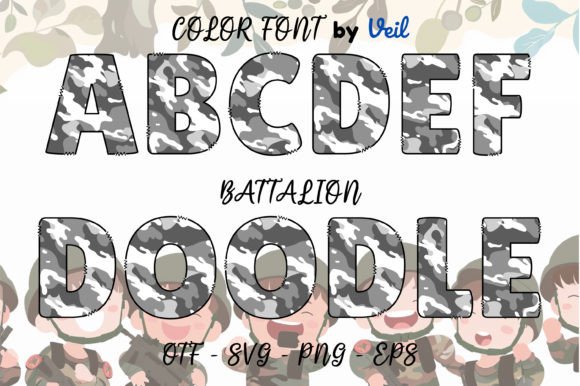
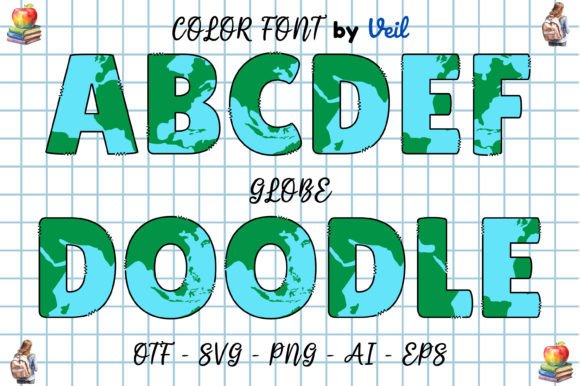
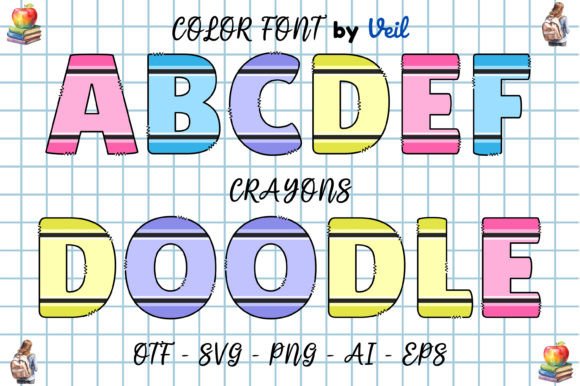
However, if the font includes a color version—a feature that adds multi-tonal or textured fills within the letterforms—its compatibility may be more limited. Color fonts often require specific software support, such as Adobe Photoshop, Illustrator, or Silhouette Studio. They are typically not compatible with basic cutting machine software. Before purchasing or starting a project, always review the font’s documentation. Understanding the difference between OTF and TTF files and knowing which versions work with your tools will save you time and prevent frustration. Additionally, for any commercial use, ensure you have the correct license that covers your intended application, whether it’s for client work, products for sale, or digital assets.
Pairing and Hierarchy with a Display Typeface
One of the most effective ways to use a distinctive display font like Infantry is in a thoughtful font pairing. Its strong personality means it works best when balanced with a more neutral counterpart. A classic and reliable approach is to pair it with a simple, clean sans serif font for body text. The contrast creates a clear visual hierarchy: Infantry captures attention for headlines and key phrases, while the sans serif ensures readability for longer paragraphs of information. For example, a wedding invitation might use Infantry for the couple’s names and a date, paired with a light sans serif for the event details.
Another successful pairing strategy is to combine it with a simple serif font. This can create a more classic yet still approachable feel, suitable for a boutique brand or a blog. The goal is to let Infantry be the star of the show without overwhelming the entire design. Use it sparingly for maximum impact. Think of it as the accent wall in a room—adding character and focus without dominating the entire space. By using Infantry for key elements like logos, headings, and calls-to-action, you leverage its strength to guide the viewer’s eye and reinforce the project’s core message. This strategic use ensures that your design assets work together cohesively, strengthening your overall brand identity and making your creative projects more engaging and professional.