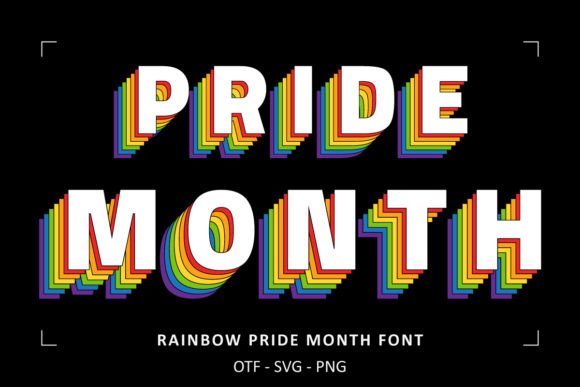
Celebrate in Style: The Rainbow Pride Month Typeface
There is a specific energy that comes with June. It is a month filled with parades, advocacy, and a distinct visual language that screams celebration. For designers, marketers, and creators, this period offers a unique opportunity to connect with audiences through visuals that represent inclusivity and joy. When you are tasked with creating assets for this season—whether it is a social media campaign, a t-shirt line, or an editorial spread—you need a design element that captures the spirit immediately without feeling forced or overly corporate.
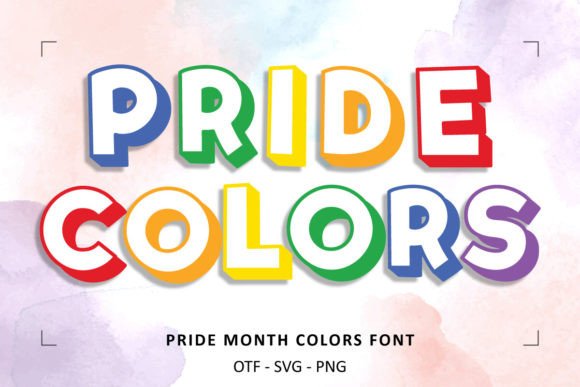
Enter the Rainbow Pride Month typeface. This is not just another font; it is a design asset inspired directly by the iconic Rainbow Flag. It takes the symbolism of the flag—unity, diversity, and visibility—and translates it into a functional, yet incredibly cool, typographic tool. If you have been looking for a way to inject personality into your Pride Month projects, this typeface offers a casual, approachable style that feels both modern and timeless.
The Visual Personality: More Than Just Color
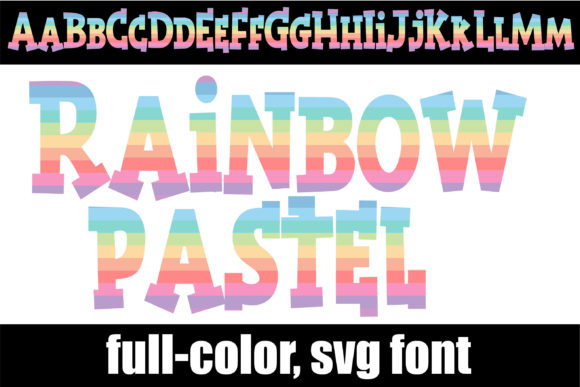
When we talk about the Rainbow Pride Month typeface, we are discussing a specific design language. It draws inspiration from the rainbow flag, but it does not simply rely on color to do the heavy lifting. The letterforms themselves carry a sense of movement and inclusivity. Depending on the specific style you choose—whether it leans towards a modern typography aesthetic or a handwritten font vibe—the core appeal lies in its casual versatility.
This typeface avoids the stiffness of corporate sans-serifs. It feels like a conversation rather than a lecture. The visual characteristics often include soft curves, bold weights, and a playful rhythm that mimics the flow of a flag in the breeze. It is a display font at heart, meaning it shines brightest when used for headlines, logos, and hero text. However, its personality is distinct enough to anchor a full brand identity if used correctly.
For a brand strategist, this font signals openness. It tells the audience, "We are here, we are welcoming, and we do not take ourselves too seriously." This is crucial for brands targeting the LGBTQ+ community, as authenticity is the currency of trust. Using a generic, stiff font for Pride campaigns often reads as performative. Using a typeface like Rainbow Pride Month, which has been crafted with the community's visual history in mind, shows a deeper level of care and understanding.
Strategic Applications: Where This Font Thrives
Understanding where to deploy this typeface is key to maximizing its impact. Because it is a creative font, it has specific strengths that make it ideal for certain mediums. Here is a breakdown of how you can integrate Rainbow Pride Month into your workflow.
Merchandise and Apparel
This is where the typeface feels most at home. Think about t-shirts, tote bags, and hats. The casual, bold nature of the font makes it perfect for merchandise that needs to be readable from a distance while still feeling personal. If you are running a print-on-demand business or a small boutique, using this font for your Pride collection ensures that the typography matches the celebratory mood of the product.
Digital and Social Media
In the fast-paced world of Instagram and TikTok, you have seconds to capture attention. The Rainbow Pride Month typeface works exceptionally well for social media graphics. It creates high-impact headlines that stop the scroll. It is also effective for web design headers, particularly for landing pages dedicated to Pride initiatives or sales events. The font's energy translates well to screens, maintaining its charm across different resolutions.
Publishing and Editorial Design
If you are a publisher or a blogger, consider using this typeface for editorial design elements. It is fantastic for magazine covers, blog post headers, and pull quotes. It adds a layer of visual interest that standard serif or sans serif fonts cannot provide on their own. For book designs, particularly in the Young Adult or contemporary fiction genres, this font can create a cover that immediately signals the genre and tone to the reader.
Hospitality and Events
Restaurants and bars looking to celebrate Pride can use this typeface for their restaurant menus, event posters, and window signage. It strikes the perfect balance between professional and festive. It says, "We are a serious business, but we are ready to party." This application extends to greeting cards and stickers, where a touch of whimsy is required.
Typography and Perception: The Psychology of the Font
Every font carries a psychological weight. The choices you make in typography influence how your audience perceives your brand's professionalism, warmth, and reliability. The Rainbow Pride Month typeface leans heavily into "warmth" and "approachability."
When you pair this font with a clean serif font or a neutral sans serif font, you create a dynamic hierarchy. The display font grabs attention, while the body text ensures readability. This contrast is fundamental to good design. You do not want to use a display font for long paragraphs of text; it tires the reader's eye. Instead, let Rainbow Pride Month do the heavy lifting for your headlines and logos, and let a simpler typeface handle the details.
Furthermore, using a premium font like this one helps with brand recognition. In a sea of overused free fonts, a distinct typeface helps your brand stand out. It creates a visual consistency across your marketing materials—from your website to your business cards—that reinforces your brand identity. For entrepreneurs and small business owners, this consistency is vital. It builds trust and makes your brand look established, even if you are just starting out.
Practical Guidance for Designers and Creators
Adopting a new typeface into your library requires some practical considerations. Here is how to ensure you get the most out of the Rainbow Pride Month font.
- Evaluating Project Fit: Before you commit, look at the font's character set. Does it include the ligatures and alternates you need? Does the tone match the specific sub-culture or demographic you are targeting? While the font is broadly "Pride," its specific style might lean more retro, modern, or grunge. Ensure that alignment exists.
- Testing Font Pairings: Do not use this font in isolation. Open your design software and test it alongside your current brand fonts. Try pairing the Rainbow Pride Month typeface with a geometric sans serif for a modern look, or with a classic serif for a more editorial feel. The goal is to find a balance where the display font enhances, rather than clashes with, your body text.
- Reviewing Styles: A robust typeface family often includes various weights and styles. Check if the font comes with bold, italic, or outline versions. These variations give you flexibility in creating visual hierarchy without introducing a third font family, which can clutter your design.
- Licensing and Usage: Always verify the licensing. If you are creating commercial products—like merchandise or client work—you need a license that covers commercial use. Most commercial fonts come with clear terms, but it is your responsibility to ensure you are compliant. This protects you legally and supports the type designers who created the asset.
- Readability Checks: Because this is a display font, test it at small sizes. If you are using it for a sticker design or a small footer element, ensure the letters don't blur together. If readability drops, switch to a simpler font for that specific element.
The Rainbow Pride Month typeface is more than just a design asset; it is a tool for connection. It allows you to speak the visual language of a vibrant community with confidence and style. Whether you are designing a logo, a menu, or a social media campaign, this font provides the perfect foundation for creative, inclusive, and engaging work. Embrace its cool style, experiment with its personality, and use it to create designs that truly celebrate the spirit of the month.