Adding a Playful Pop: A Designer's Guide to Rainbow Pastel
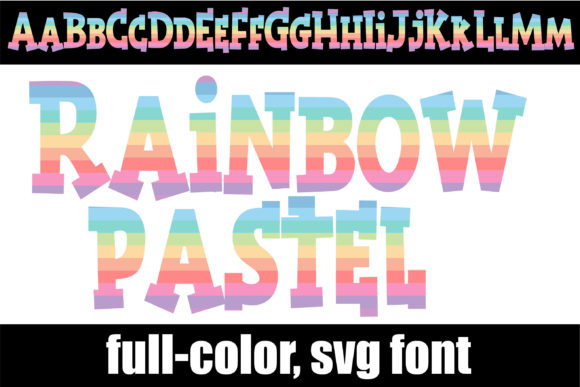
There are moments in a project where you need a font that does more than just communicate words—you need it to set a mood. Enter Rainbow Pastel, a whimsical serif font that instantly injects a sense of joy and creativity into any layout. This isn't your standard corporate typeface; it is a statement piece designed to capture attention. The defining characteristic of this premium font is the unique rainbow stripe of soft pastels that adorns every single glyph. It manages to be bold in color but soft in tone, striking a delicate balance that feels modern and approachable.
For designers, entrepreneurs, and content creators, understanding the technical nature of this asset is just as important as appreciating its beauty. Rainbow Pastel is an OpenType-SVG color font. This means the color data is embedded directly into the font file, allowing you to type with that beautiful gradient and texture already intact. It is fully compatible with professional design software like Photoshop, Illustrator, Silhouette, and Inkscape. However, it is crucial to note that the OTF and TTF files of this product are not compatible with Cricut machines due to the complexity of the SVG data. If you are working within a compatible environment, though, the creative possibilities are vast.
Visual Character and Personality
The personality of Rainbow Pastel is undeniably cheerful and whimsical. While it retains the structure of a serif font—offering that classic, readable shape—the pastel overlay transforms it into something far more playful. This makes it an excellent choice for projects targeting a younger demographic or anyone looking to break away from the seriousness of traditional typography. It fits seamlessly into the current trend of modern typography where designers are mixing classic structures with vibrant, unexpected color treatments.
When you use this creative font, you are signaling that your brand or project values imagination and fun. It stands in stark contrast to the rigid neutrality of a sans serif font. While a sans serif might say "efficiency," Rainbow Pastel says "experience." It is particularly effective for creating visual hierarchy. For example, using a standard sans serif for body text and Rainbow Pastel for headlines creates an immediate focal point that draws the viewer’s eye exactly where you want it.
Strategic Applications: Where to Use Rainbow Pastel
Knowing where to deploy a display font like this is key to professional design. Because of its detailed color rendering, it is best used for headlines, logos, and short bursts of text rather than long paragraphs. Here is how you can integrate it into various projects:
- Brand Identity and Logo Design: For businesses in the beauty, lifestyle, children's, or creative industries, this font can serve as the cornerstone of a brand identity. It is perfect for a logo that needs to feel welcoming and artistic without relying on a script font or handwritten font.
- Packaging Design: If you are designing packaging for artisanal goods, sweets, or cosmetics, the pastel palette adds a tactile, premium feel. It suggests that the product inside is crafted with care and creativity.
- Social Media and Web Design: In the fast-scrolling world of social media, a static image needs to pop. Rainbow Pastel is excellent for Instagram stories, Pinterest pins, and website banners. It adds color and life to social media graphics without requiring complex illustration work.
- Editorial and Publishing: For magazine covers, book titles, or blog headers, this font breaks the monotony of standard text. It works wonderfully in editorial design for lifestyle magazines or creative portfolios where visual flair is expected.
Practical Guidance for Designers and Creators
Integrating a color font into your workflow requires a slightly different approach than standard typography. Here are practical tips to ensure your project remains professional and cohesive:
Font Pairing is Essential: Because Rainbow Pastel is visually heavy with color, it pairs best with simple, neutral companions. A clean, geometric sans serif font or a simple serif font in black or dark grey works best. Avoid pairing it with another decorative or script font, as this will create visual clutter and hurt readability. Let the pastel rainbow be the star of the show.
Readability and Hierarchy: Use this typeface for display purposes only. Set your headlines, sub-headers, or call-to-action buttons in Rainbow Pastel, but switch to a standard font for your body copy. This maintains the visual hierarchy and ensures your message is easily digestible.
Color Harmony: Since the font contains a spectrum of pastels, it pairs beautifully with soft neutrals like cream, light grey, or beige backgrounds. Alternatively, placing it against a deep navy or charcoal background can make the pastel colors pop even more, creating a sophisticated yet fun contrast.
Licensing and Compatibility Check: Before purchasing or downloading, always double-check the licensing for your specific use case (personal vs. commercial). Furthermore, reiterate the technical check: if you are a crafter using a cutting machine, ensure you are using software that supports SVG fonts. If you are a small business owner handing files off to a printer or web developer, ensure they have access to compatible software like Adobe Illustrator or Photoshop.
Ultimately, Rainbow Pastel is more than just a collection of letters; it is a design asset that brings warmth and personality. By using it strategically, you can elevate your logo design, enhance your packaging design, and create social media graphics that truly resonate with your audience. It proves that modern typography doesn't have to be stark or minimalist to be effective—sometimes, a little color goes a long way.