Retro Vintage Font: Your Ticket to Timeless Design
The Soul of Nostalgia in a Typeface
There’s a certain warmth to design that feels lived-in. It’s the visual equivalent of a well-loved vinyl record or a faded movie poster. The Retro Vintage display font captures that feeling perfectly. It’s not just a set of characters; it’s a design asset with a distinct personality. This typeface is built for projects that need to feel classic, established, and full of character, without relying on overly ornate or hard-to-read styles. Its strength lies in its simplicity and authenticity.
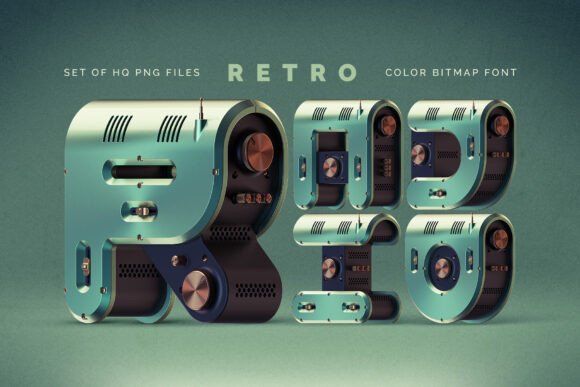
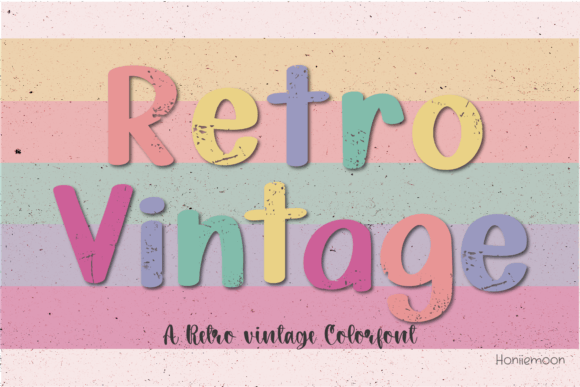
Visually, Retro Vintage is a straightforward serif font. The letterforms have clear, sturdy strokes and defined terminals that echo mid-century signage and classic print advertising. It avoids the sharp, digital crispness of many modern typefaces, opting instead for a slightly softer, more organic feel. This gives it a timeless quality that can bridge the gap between a 1950s diner aesthetic and a contemporary craft brewery’s branding. The personality is confident, friendly, and unmistakably nostalgic.
Where This Classic Font Truly Shines
Choosing the right creative font is about matching its personality to your project’s goals. Retro Vintage is a specialist. It’s not the font for your body copy in a lengthy report, but it’s a powerful tool for headlines and focal points where impact and mood are paramount.
For brand identity, it’s a natural fit for businesses that want to convey tradition, craftsmanship, or a vintage-inspired ethos. Think coffee roasters, barbershops, artisanal food producers, or boutique hotels. The font immediately sets a tone in a logo design or on packaging, telling a story before a word is read. In editorial design, a magazine cover or a chapter heading set in Retro Vintage can instantly transport the reader to a different era, adding thematic depth to articles about history, classic cars, or retro culture.
The digital space offers fantastic applications as well. It creates standout social media graphics that feel curated and intentional, perfect for quotes, announcements, or sale promotions. For web design, it can be used for key hero text or section headers to break the monotony of standard web fonts and inject a dose of personality. Don’t overlook personal projects either. Crafters and hobbyists will find it ideal for custom apparel, signage, and home décor projects that require a professional, polished look with a vintage flair.
Practical Guidance for Using Retro Vintage
Integrating any premium font into your workflow requires a bit of practical know-how. Here’s how to get the most out of Retro Vintage.
- Evaluate Project Fit: Ask yourself if your project’s narrative aligns with a classic, retro aesthetic. If you’re designing for a futuristic tech startup, this font might send the wrong message. For a local history blog or a wedding invitation with a vintage theme, it’s a perfect match.
- Master Font Pairing: As a display font, Retro Vintage needs partners. It pairs beautifully with clean, simple sans serif fonts for body text. A combination like Retro Vintage for headings and a font like Open Sans or Lato for paragraphs creates excellent visual hierarchy and ensures readability. It can also work alongside a simple script font for a touch of elegance in invitations or logos.
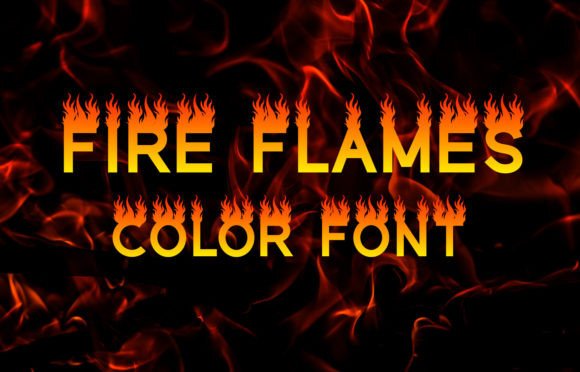
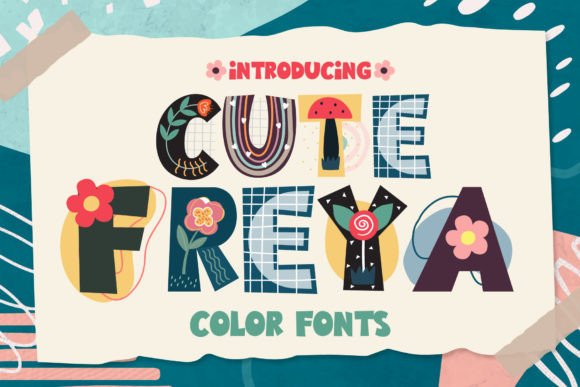
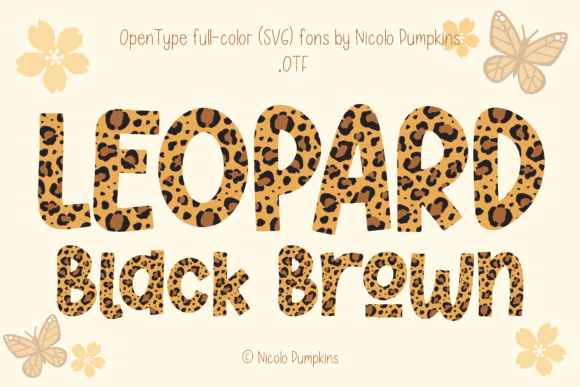
- Understand the Versions: The font comes in different formats for different needs. The black version is fully compatible with cutting machines like Cricut and Silhouette, making it a go-to for crafters creating decals, shirts, and signs. The color version is a creative powerhouse for digital design in programs like Photoshop and Illustrator, but it’s important to note its software limitations for physical cutting projects.
- Check Readability: Always test your text at the intended size. While it’s designed to be legible, extremely small sizes or long blocks of text can reduce its effectiveness. Use it for short, impactful words and phrases where its character can be fully appreciated.
- Review Licensing: Before using the font in any commercial project—from a client’s logo to products for sale—ensure you have the appropriate license. This protects both you and the font creator and is a standard professional practice with any commercial font.
In the end, Retro Vintage is more than just a typeface; it’s a tool for storytelling. By understanding its visual language and applying it thoughtfully, you can create designs that resonate with a sense of history and authenticity, engaging your audience on a deeper, more nostalgic level. It proves that sometimes, looking back is the best way to move forward with style.