Red Pattern: A Playful Font for Joyful Design Projects
The Visual Character of Red Pattern
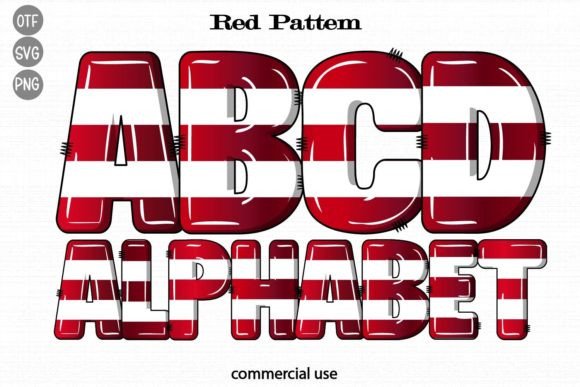
When you first encounter Red Pattern, the immediate impression is one of warmth and cheerfulness. This is a display typeface that wears its personality openly—rounded letterforms, slightly irregular baselines, and a handcrafted quality that feels approachable without being sloppy. The red color isn't just a label; it speaks to the font's energetic spirit and the kind of emotional response it tends to evoke.
What makes Red Pattern stand out among other creative fonts is its balance between playfulness and legibility. Many children's fonts sacrifice readability for charm, but this particular typeface manages to keep letterforms clear enough for young readers while maintaining that whimsical, storybook quality. The strokes have a gentle weight variation that mimics natural hand movement, giving text set in this font an organic, friendly feel.
The overall aesthetic leans toward a modern handwritten style with rounded terminals and generous spacing. It doesn't try to mimic a specific era or cultural reference—instead, it occupies a comfortable middle ground that feels contemporary yet timeless. For designers working on children's projects, this versatility matters more than most people realize.
Where Red Pattern Truly Shines
After working with dozens of display fonts over the years, I've learned that context determines everything. Red Pattern excels in specific environments where its personality amplifies the message rather than competing with it.
Children's Publishing and Editorial Design
Book covers for picture books, chapter headers in activity books, and title treatments for educational magazines—these are natural homes for Red Pattern. The font carries enough visual weight to anchor a cover design while remaining approachable for the target audience. I've seen publishers use similar playful typefaces for series branding, where a consistent, recognizable font across multiple titles builds immediate shelf recognition.
For editorial design within children's publications, this font works beautifully for pull quotes, section dividers, and callout text. It adds personality without overwhelming the body copy, which should typically remain a clean serif or sans serif font for comfortable reading.
Branding and Logo Design
Small businesses targeting families, children's entertainment companies, toy manufacturers, and educational startups often need a brand identity that communicates joy and trust simultaneously. Red Pattern can serve as a foundation for logo design in these contexts, particularly when paired thoughtfully with a more neutral companion typeface.
Think about children's party planning services, kids' clothing lines, or pediatric dental offices. These brands benefit from typography that feels welcoming rather than clinical. A font like Red Pattern immediately signals the intended audience and sets emotional expectations before a single word of copy is read.
Digital and Social Media Applications
In web design and social media graphics, Red Pattern performs well for headers, call-to-action buttons, and promotional banners aimed at parents or young audiences. Instagram stories, Pinterest pins, and Facebook ads for children's products often rely on bold, expressive typography to stop scrolling—and this typeface delivers that visual punch effectively.
One practical consideration: test the font at smaller sizes before committing to extensive digital use. Display fonts with character often lose their charm below certain thresholds, and you want to ensure Red Pattern remains legible on mobile screens where most social media consumption happens.
Packaging and Print Design
Product packaging for kids' snacks, craft supplies, party favors, and educational toys presents another strong application. The font's cheerful demeanor translates well to physical products where shelf appeal directly influences purchasing decisions. Combined with vibrant color palettes and playful illustrations, Red Pattern helps create cohesive packaging design that speaks its target language fluently.
Evaluating Project Fit
Before selecting any premium font, ask yourself a straightforward question: does this typeface serve the project's communication goals, or does it merely appeal to personal taste? Red Pattern suits projects where warmth, playfulness, and approachability are strategic priorities. It would feel out of place in corporate annual reports, legal documents, or luxury brand communications—and that's perfectly fine. No single typeface handles every situation.
Consider your audience carefully. If you're designing for children aged three to eight, this font aligns naturally with their visual world. For tween audiences, you might need something slightly more sophisticated. For parents making purchasing decisions, Red Pattern communicates that a product understands their child's perspective, which builds trust.
Font Pairing Strategies
Effective font pairing separates amateur layouts from professional ones. Red Pattern works best alongside clean, understated companions that provide contrast without conflict.
- With a sans serif font: Pair Red Pattern headings with a geometric or humanist sans serif for body text. The contrast between expressive display type and functional body copy creates clear visual hierarchy.
- With a serif font: A gentle, rounded serif can complement the font's softness for storybook or editorial projects where you want a cohesive, warm tone throughout.
- With another handwritten font: Proceed cautiously here. Two expressive fonts often compete. If you go this route, ensure significant differences in weight, scale, or style.
Readability and Visual Hierarchy
Typography fundamentals still apply regardless of how charming a font appears. Use Red Pattern primarily for headlines, titles, and short text blocks rather than extended paragraphs. Its decorative qualities, while appealing, can cause eye fatigue during longer reading sessions.
Establish clear size relationships between your display type and body copy. A common mistake with creative fonts is setting them too large relative to supporting text, which creates visual imbalance rather than hierarchy. Aim for proportional sizing that guides the reader's eye naturally through your layout.
Licensing and Commercial Use
Always verify licensing terms before using any commercial font in client work, merchandise, or products for sale. Most premium fonts include specific provisions regarding commercial use, embedding in digital products, and distribution limits. Review the license agreement carefully—this protects both you and your clients, and ensures the type designer receives appropriate compensation for their craft.
Final Thoughts on Choosing Red Pattern
Every design asset you select communicates something about the project it serves. Red Pattern communicates joy, warmth, and childlike wonder—qualities that resonate deeply when aligned with the right context. It won't solve every typographic challenge you face, but for projects targeting young audiences and the adults who care for them, it offers genuine personality and reliable performance.
Take time to experiment with it. Set sample text in your specific application, test color combinations, evaluate pairings with your existing design assets, and gather feedback from people who match your target audience. Good typography decisions are informed decisions, and Red Pattern rewards thoughtful implementation with memorable, engaging results.