Picnic: Capturing Playful Energy in Your Designs
Every creative project needs a voice, and sometimes that voice needs to be loud, colorful, and undeniably fun. While clean sans serif fonts are the workhorses of modern typography, there are moments when a project demands more personality. This is where Picnic enters the conversation. It is a premium font that acts as a creative font, designed specifically to convey a whimsical and artistic vibe. It isn’t just a collection of letters; it is a tool for storytelling that injects immediate energy into your brand identity.
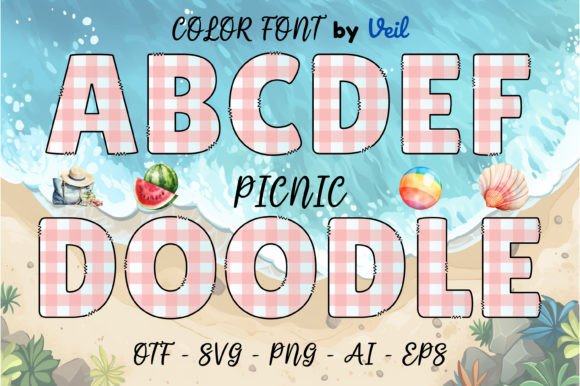
Unlike standard corporate typefaces that prioritize neutrality, Picnic embraces imperfection and movement. It is a display font that feels hand-crafted, reminiscent of the loose, organic strokes found in a handwritten font or a script font. When you look at the letterforms, you don’t see rigid geometry; you see rhythm. This visual style makes it an exceptional choice for projects targeting children, families, or anyone looking for a fresh, optimistic aesthetic. It bridges the gap between a casual note and a polished design asset, making it versatile for both personal and commercial ventures.
Visual Character: More Than Just a Typeface
To understand where Picnic fits into your toolkit, you have to analyze its visual personality. It falls into the category of a color font (or chromatic font), which often implies vibrant fills or layered styles, but even in its standard form, the typeface exudes a playful rhythm. The strokes are varied, mimicking the natural pressure of a hand holding a marker or brush. This avoids the mechanical rigidity often associated with web design standards like Arial or Helvetica.
The appeal of Picnic lies in its approachability. In editorial design, a block of text in a stiff serif font can feel academic and distant. Picnic, however, invites the reader in. It suggests that the content is meant to be enjoyed rather than merely studied. This is crucial for children’s books, where the visual presentation of words can significantly impact a child’s engagement with reading. The letters feel like they are playing on the page, which encourages a lighter, more joyful interaction with the content.
Strategic Applications: From Packaging to Social Media
Knowing when to use a display font like Picnic is just as important as liking how it looks. Because of its distinct character, it shines brightest in headlines, logos, and short bursts of text rather than long-form body copy. Here is how different professionals can leverage this typeface.
Branding and Logo Design
For entrepreneurs and small business owners, a logo design needs to be memorable. If you are launching a brand focused on organic foods, eco-friendly toys, or creative workshops, Picnic offers a distinct advantage. It signals that your brand is friendly and accessible. Using Picnic in your logo creates an immediate emotional connection. It tells your audience that you value creativity and approachability over stiff corporate formality. However, it is vital to ensure the font aligns with your specific niche. A law firm might find it too casual, but a bakery or a daycare center will find it fits their brand identity perfectly.
Publishing and Editorial Design
In editorial design, hierarchy is everything. You need your headers to grab attention while your body text remains readable. Picnic is an excellent candidate for chapter titles, pull quotes, or magazine headers. It provides a visual break from the standard serif font or sans serif font used for the article body. For self-publishers working on activity books or middle-grade novels, this font adds a layer of professional polish that generic free fonts cannot match. It helps establish a mood before the reader has even processed the meaning of the words.
Digital and Social Media Graphics
The digital landscape is crowded. On platforms like Instagram or Pinterest, you have a split second to stop a user from scrolling. Picnic is a powerful tool for social media graphics because its whimsical style stands out against the noise. Whether you are creating quote cards, sale announcements, or story highlights, the font adds a burst of personality. It works particularly well for lifestyle bloggers and influencers who want to maintain a cohesive, playful aesthetic across their feed.
Practical Usage: Hierarchy, Pairing, and Readability
While Picnic is visually striking, using it effectively requires a strategic approach to modern typography. A common mistake with creative fonts is overuse. If you set an entire paragraph in Picnic, the visual noise can become overwhelming, reducing readability. The eye needs resting points.
The Art of the Font Pairing
The secret to using a display font like Picnic is contrast through font pairing. Because Picnic has a lot of movement and texture, it pairs best with something steady and quiet. A clean, geometric sans serif font is often the perfect companion. The simplicity of the sans serif allows the headers in Picnic to pop without competing for attention. Alternatively, pairing it with a classic, readable serif font can create a charming "high-low" contrast, mixing traditional elegance with modern playfulness. When testing pairings, look for x-heights that complement each other, even if the styles differ wildly.
Testing and Licensing
Before committing to a commercial font for a large-scale project, always test it in context. Type out the specific words you plan to use. Check the kerning (the spacing between letters) and look at how specific letter combinations interact. Since Picnic is a premium font, it usually comes with high-quality spacing and kerning pairs, but visual checks are still necessary. Additionally, always review the commercial licensing. If you are using this for packaging design or merchandise intended for sale, you need to ensure your license covers the necessary print run or distribution scope. Most reputable foundries offer clear tiers for this.
Enhancing Audience Engagement
Ultimately, the goal of design is communication. Picnic influences how your audience feels about your message. In a world of minimalism and stark design, choosing a font that feels human and hand-drawn can be a breath of fresh air. It builds brand recognition because it is distinct; people will remember the font that looked like it was drawn by hand.
For crafters and hobbyists, this typeface opens up new possibilities for stickers, planner accessories, and greeting cards. For marketers, it offers a way to soften a campaign and make it more relatable. By utilizing Picnic effectively, you are not just decorating a page; you are crafting an experience. You are telling your audience that there is a human behind the design, one who values creativity, joy, and the simple pleasure of a well-designed picnic.
When selecting design assets for your next project, consider the emotional weight of your typography. Choosing Picnic is choosing to prioritize connection over conformity. It is a declaration that your project is alive, vibrant, and ready to be shared. Whether for web design, print, or merchandise, this typeface proves that serious design work can still have a playful heart.