Lovely Graffiti: A Chunky Typeface for Bold Visuals
The urban art aesthetic has a way of stopping people in their tracks. It is raw, energetic, and impossible to ignore. For designers and creators looking to inject that same visceral impact into their digital and print projects, the choice of typography is critical. You need something that captures the spontaneous energy of street art but remains legible and versatile for professional use. This is where Lovely Graffiti enters the conversation, offering a distinct solution for anyone looking to break away from sterile, corporate fonts.
Understanding the Aesthetic of Lovely Graffiti
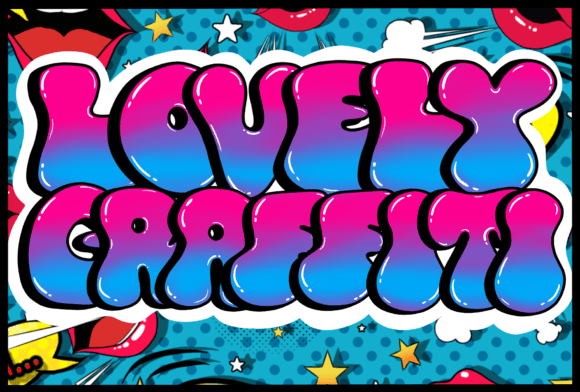
At its core, Lovely Graffiti is a display typeface defined by its chunky, irregular letterforms. Unlike standard sans serif or serif font families that prioritize uniformity, this font embraces a hand-sprayed look. The letters appear bold and substantial, often featuring rough edges and uneven baselines that mimic the texture of paint on concrete. It is not just a typeface; it is a design asset that brings personality to the forefront. The visual weight of the characters ensures that headlines command attention, making it a prime candidate for projects where you need to make a statement immediately.
The "playful" aspect of Lovely Graffiti is crucial. It avoids the aggressive, jagged edges sometimes associated with harder styles of street art, opting instead for a friendlier, more rounded bubble-letter influence. This balance allows it to feel creative and edgy without becoming hostile or unreadable. For content creators and marketers, this distinction is vital. You get the cool factor of graffiti art without alienating a broader audience. It bridges the gap between underground culture and mainstream commercial appeal, making it a versatile addition to your library of design assets.
Where This Creative Font Truly Shines
Determining where to use a specialized typeface like Lovely Graffiti requires understanding its strengths. Because it is a high-impact display font, it excels in environments where brevity and visual punch are required. It is rarely the right choice for long-form body text, but it is the perfect hero element for a variety of applications.
In the realm of brand identity, Lovely Graffiti works exceptionally well for brands targeting a younger demographic or those in the lifestyle, entertainment, and fashion sectors. Imagine a skate shop logo, a music festival poster, or the packaging for a line of energy drinks. The font instantly communicates a vibe of rebellion and fun. For entrepreneurs and small business owners, using this typeface can help differentiate a brand from competitors who rely on safe, generic typography. It signals that the brand is approachable, modern, and not afraid to have a personality.
When it comes to digital and print publishing, the font serves as a powerful tool for hierarchy. In editorial design, a chunky header font can break up the monotony of text-heavy pages, drawing the reader's eye to key sections. Bloggers and content creators can utilize Lovely Graffiti for featured image overlays or social media graphics to increase engagement. On platforms like Instagram or TikTok, where visual noise is high, the bold nature of this font helps posts stand out in a crowded feed. It translates well to merchandise, too—think t-shirts, tote bags, and stickers where the typography needs to be visible from a distance.
Integrating Lovely Graffiti into Modern Typography
Using a creative font effectively is about more than just installation; it is about integration. To leverage Lovely Graffiti successfully, you must consider how it interacts with other elements in your design, specifically regarding font pairing and hierarchy.
Mastering Font Pairing
Because Lovely Graffiti is visually dense and stylistic, it demands a quieter partner. Pairing it with a clean sans serif font is usually the most effective strategy. For example, using Lovely Graffiti for a main headline and a font like Helvetica, Roboto, or Open Sans for the sub-headers and body text creates a balanced visual hierarchy. If you pair it with another script font or a highly decorative serif font, the design can quickly become cluttered and illegible. The rule of thumb here is contrast: let the graffiti font be the star, and let the secondary font be the supporting actor.
Readability and Hierarchy
As a designer or publisher, your primary goal is communication. While Lovely Graffiti is legible for short bursts of text, such as a logo or a headline, it can become tiring to read in long sentences. This is typical of most handwritten or display fonts. Use it to establish the mood and grab attention, but switch to a standard typeface for the actual message. This approach ensures that your design looks professional and respects the reader's cognitive load. It is about using the font’s strength—visual impact—without sacrificing the clarity of the content.
Practical Considerations for Professional Use
Before integrating any premium font into a client project or a commercial venture, there are practical steps you should take to ensure a smooth workflow.
- Evaluating Project Fit: Ask yourself if the tone of the project matches the personality of the font. Lovely Graffiti is excellent for a children's party invitation or a streetwear brand, but it is likely inappropriate for a law firm's annual report or a luxury jewelry brand’s minimalist catalog.
- Testing and Pairing: Always test the font in the specific context where it will be used. Place it on your mockups early in the design process. Does it clash with the color palette? Does it overpower the imagery? A font that looks great in a specimen sheet might behave differently when surrounded by photography.
- Reviewing Styles and Licensing: Check the font file for specific weights or styles. While Lovely Graffiti is bold by nature, knowing if it includes alternates or special characters can unlock new creative possibilities. Furthermore, verify the commercial licensing. If you are using it for a client’s logo design or on physical products for sale, you need to ensure you have the correct license to avoid legal issues down the line.
Ultimately, Lovely Graffiti is a tool for expression. It allows designers, marketers, and hobbyists to step outside the rigid boundaries of modern corporate typography and inject a sense of human touch and urban energy into their work. By applying it thoughtfully and pairing it with complementary fonts, you can create designs that are not only visually striking but also effective in communicating your message. It is a reminder that typography doesn't always have to be serious—sometimes, it just needs to be lovely.