Education Font: The Creative Typeface for Modern Designers
In a world saturated with visual noise, finding a typeface that does more than just occupy space is a genuine challenge. We have all seen the endless scroll of neutral sans serifs and predictable serifs. While they serve a purpose, they rarely spark an emotional connection. If you are working on a project that demands personality—something that feels human, approachable, and undeniably creative—you need a font that carries its own weight in the design. Enter Education.
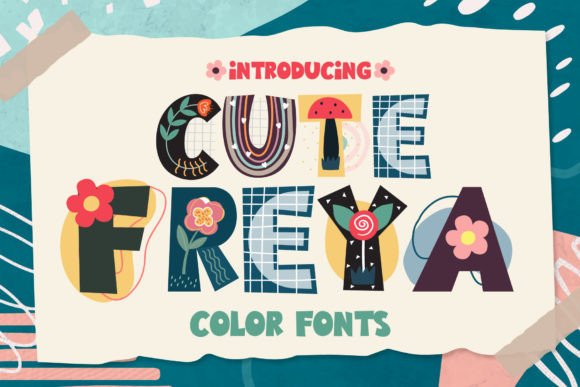
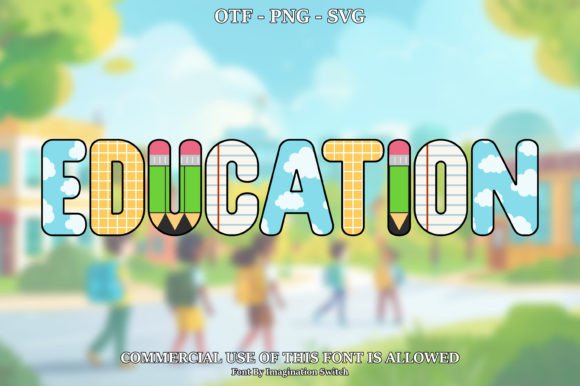
Education is not just a set of letters; it is a captivating typographic creation designed to inject life into your work. It stands out immediately because of its intriguing use of color and form. Unlike standard typefaces where the only variable is weight or slant, Education brings a complete character set to the table that feels dynamic even in static layouts. It includes uppercase, lowercase, and numbers, giving you the flexibility to tackle complex projects without running out of stylistic options. But the real magic lies in how these characters interact with the viewer's eye.
The Visual Appeal of a Colorful Typeface
When we talk about typography, we often focus on kerning, tracking, and baselines. However, the personality of a font is what truly defines a brand. Education is a typeface that leans heavily into the "display" category, but it does so with a sophistication that avoids looking childish. The design meticulously blends elements of modern typography with a playful, artistic flair.
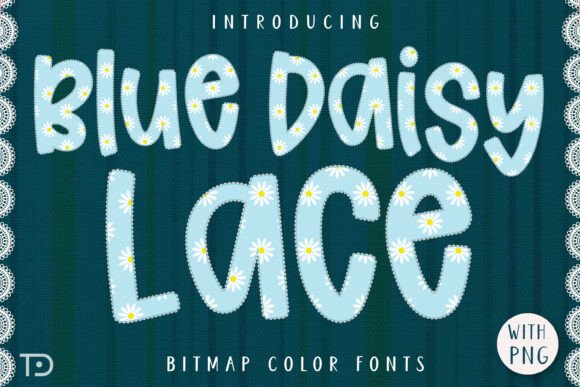
Imagine a font where the colors are carefully chosen to complement one another. Education features these curated color palettes within the glyphs themselves. This creates a mesmerizing visual touch that makes every word and number stand out. For a designer, this is a powerful tool. It allows you to create a hierarchy without needing complex layering or shadow effects in your design software. The font does the heavy lifting, providing that "pop" of color that is so essential in social media graphics and digital advertising.
The style is versatile enough to bridge the gap between a handwritten font and a structured display font. It retains the legibility of professional typesetting while mimicking the spontaneous energy of hand-lettering. This balance is difficult to strike. Many script fonts sacrifice readability for style, but Education maintains excellent legibility. Whether you are viewing it on a high-resolution Retina screen or printed on textured cardstock, the letterforms remain crisp and distinct.
Strategic Applications: Where Education Fits Best
Understanding where to deploy a specific typeface is half the battle in design strategy. Education is a premium font that shines brightest when used for impact rather than body text. Think of it as the headline act, while a simpler sans serif font or serif font plays the supporting role.
Branding and Logo Design
For entrepreneurs and small business owners, your logo is your handshake. It needs to be memorable. Education works exceptionally well for brands that want to project creativity and approachability. If you are a boutique owner, a lifestyle blogger, or a creative agency, using Education in your logo design can instantly convey that your brand is artistic and modern. The colorful aspect of the font can be adapted to match your brand identity, or used in its native state for a vibrant, energetic vibe.
Digital Media and Web Design
In the realm of web design, user experience is king. While you wouldn't use Education for long paragraphs of body copy, it is perfect for hero sections, call-to-action buttons, and section headers. It grabs attention immediately, reducing bounce rates by visually engaging the visitor. For social media graphics, this font is a game-changer. Platforms like Instagram and Pinterest are highly visual; a post featuring the Education typeface stands out in a feed because it breaks the monotony of standard web-safe fonts.
Print and Packaging
The utility of Education extends deeply into print design. Consider packaging design for a product aimed at a creative audience—art supplies, boutique foods, or fashion accessories. The unique color touch of the font can help the product pop on the shelf. Similarly, in editorial design, such as magazine covers or feature spreads, Education can be used for pull quotes or headers to break up the visual rhythm and keep the reader engaged.
Enhancing Visual Hierarchy and Engagement
One of the most critical roles of typography is establishing a visual hierarchy. This guides the reader's eye from the most important information to the least. Education influences this hierarchy profoundly. Because of its distinct visual weight and color integration, it naturally anchors the top of the hierarchy.
When you pair Education with a clean, geometric sans serif font like Montserrat or Lato, the contrast is striking. The Education header grabs the emotion, while the body text delivers the information. This pairing strategy is a staple of professional design. It ensures that your brand perception remains polished. You don't want your audience struggling to read a paragraph set in a complex display typeface; you want them to feel the vibe of the headline and then easily consume the details.
Furthermore, consistency is key in branding. Education allows for a consistent "voice" across different mediums. Whether it is a flyer for a local event, a digital ad, or a header on your website, using this font creates a thread of recognition. Your audience begins to associate that specific typographic style with your content, building brand recognition over time.
Practical Guidance for Designers and Creators
If you are considering adding Education to your toolkit, there are a few practical considerations to keep in mind to ensure you get the most out of this creative font.
- Evaluating Project Fit: Assess the tone of your project. Education is vibrant and artistic. It fits perfectly for lifestyle, beauty, art, and food industries. It may be less suitable for highly corporate, legal, or financial documents where a traditional serif font conveys more authority.
- Testing Font Pairings: Don't just drop the font onto a page and walk away. Test it against different backgrounds. Because Education has its own color character, ensure your background color doesn't clash with the font's internal palette. Neutral backgrounds (whites, creams, dark greys) usually work best to let the font shine.
- Commercial Licensing: Always verify the licensing. Since Education is a specialized design asset, ensure your license covers your intended use, whether that is for a client's website, print-on-demand merchandise, or a logo that will be trademarked.
- Readability at Scale: Always preview the font at the size it will be used. While Education has great legibility, intricate display fonts can lose detail at very small sizes. It is designed to be seen, so use it where it has room to breathe.
Ultimately, Education is more than just a collection of glyphs; it is a design statement. It allows you to express creativity in every project you undertake, crafting unforgettable designs that resonate with your audience. By leveraging its unique visual characteristics and pairing it thoughtfully with complementary typefaces, you can elevate your work from ordinary to extraordinary. Whether you are designing a wedding invitation or a startup's launch campaign, Education provides the tools to make your message not just read, but felt.