Dancing Clouds: Infusing Vibrant Energy into Your Creative Projects
When you first encounter the Dancing Clouds typeface, it feels less like a traditional font and more like a piece of digital art you can type with. In a landscape dominated by static black-and-white text, this premium font breaks the mold by offering built-in color, gradients, and visual textures. It is a distinct entry into the world of modern typography, designed specifically to catch the eye and hold attention. For professionals ranging from graphic designers to small business owners, this asset provides an immediate way to inject personality into a layout without needing advanced software skills to create the effects manually.
The Anatomy of a Color Font
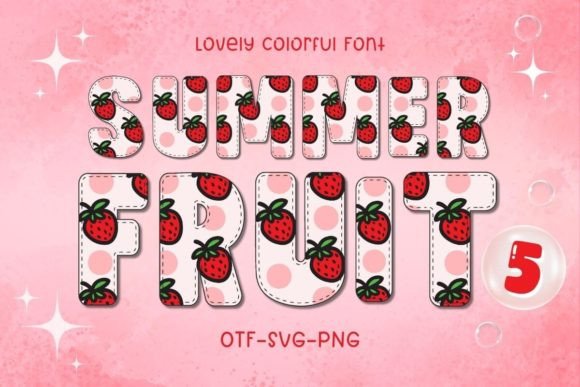
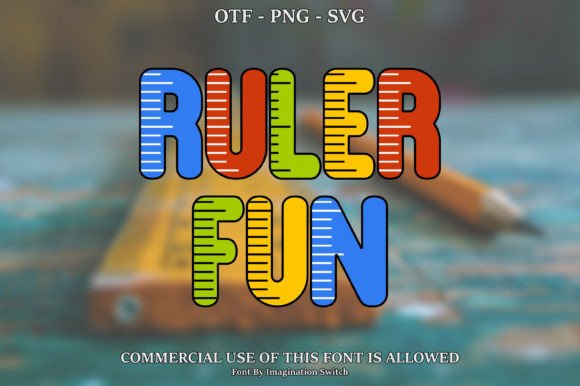
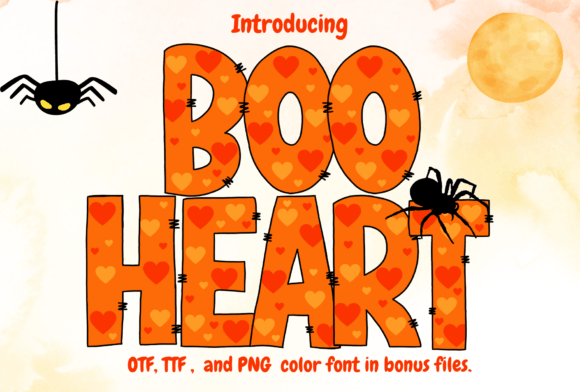
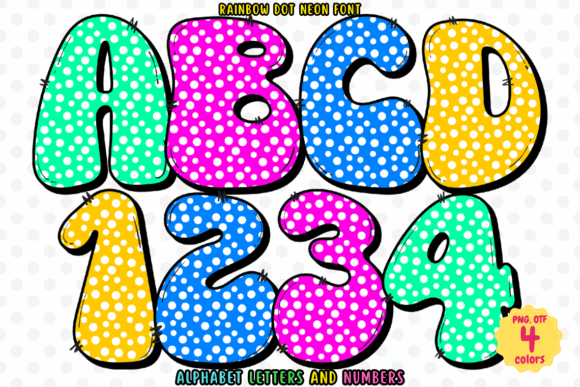
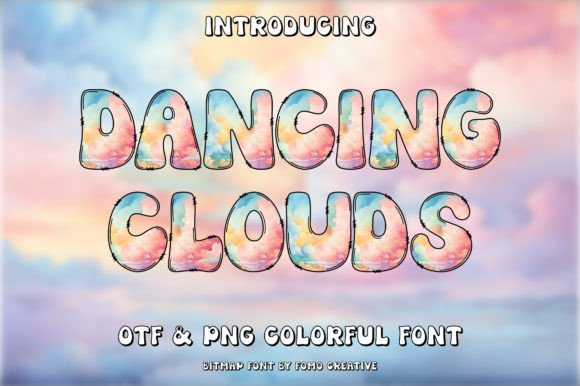
Understanding what makes Dancing Clouds unique requires looking beyond standard font files. Unlike a typical sans serif font or serif font that relies on a single color layer, this creative font utilizes advanced technology to embed multiple layers of color data directly into the glyphs. When you type a letter, you are not just seeing a shape; you are seeing a composition of gradients, shadows, and color transitions.
The visual personality of this font is energetic and fluid. It avoids the stiffness of corporate typography, leaning instead into a style that feels organic and lively. This makes it an exceptional tool for projects that need to convey joy, creativity, or a modern edge. Because the effects are embedded, the font maintains its consistency across different devices that support color fonts, ensuring your brand identity remains intact whether viewed on a high-resolution screen or in specific print environments.
Visual Characteristics and Style
The "Dancing" in the name suggests movement, and the design reflects that. The characters often feature smooth curves and a rhythm that guides the eye forward. The application of color is not merely decorative; it adds depth and dimension. Depending on the specific version or style included in the font family, you might see bright, contrasting hues or softer, blended tones. This versatility allows it to function as a display font that can adapt to various moods—from bright and energetic to elegant and mysterious—simply based on the color palette embedded within the typeface itself.
Strategic Applications for Designers and Brands
One of the biggest challenges in graphic design is creating visual hierarchy—telling the viewer what to look at first. Dancing Clouds solves this problem naturally. Because it commands attention, it is best used for headlines, hero text, and call-to-action buttons. It is a display font at its core, meaning it shines brightest at larger sizes where its intricate details and color effects can be fully appreciated.
For branding, this font can be a game-changer for businesses targeting younger demographics or creative industries. Imagine a bakery using this for their logo to suggest fun and flavor, or a tech startup using it for a specific product launch to signal innovation. It moves away from the austerity of a standard monospace font or a rigid slab serif, offering a softer, more approachable face for the brand.
Where It Fits Best
- Logo Design and Brand Identity: Using Dancing Clouds in a logo can make a brand instantly recognizable. It works well for logos that need to stand out on social media profiles or merchandise.
- Social Media Graphics: In the fast-scrolling environment of Instagram or TikTok, static text often gets ignored. This font adds the necessary "thumb-stopping" power to posts and stories.
- Packaging Design: For products on a crowded shelf, the visual texture of this font can mimic physical finishes like foil or embossing, adding a tactile quality to the design.
- Web Design: When used for landing page headers, it can reduce the need for heavy image files, potentially improving load times while maintaining high visual impact.
- Editorial Design: In magazines or digital zines, it serves as a striking drop cap or pull quote style, breaking the monotony of body text.
Practical Guidance for Implementation
While Dancing Clouds offers high artistic value, it requires a thoughtful approach to implementation. As a creative font, its primary goal is expression, not long-form readability. You would not use this for a legal disclaimer or a blog post body. Instead, view it as a spice in your design recipe—a little goes a long way.
Pairing and Hierarchy
The key to using a complex typeface like this is contrast. If you pair it with another ornate font, the design will likely feel chaotic. Instead, anchor Dancing Clouds with a clean, neutral companion. A geometric sans serif font or a simple serif font for body text works best. This creates a clear visual hierarchy where the headers pop, and the supporting text remains legible and professional. This balance ensures your design assets look polished rather than cluttered.
Evaluating Fit and Licensing
Before integrating this font into a project, consider the medium. While it works beautifully on screens, ensure your print workflow supports the specific color font format (such as SVG or COLR). Furthermore, always review the commercial font license. If you are using Dancing Clouds for a client’s logo design or mass-produced packaging, you need to ensure the license covers commercial use and the specific scope of the project. Checking these details upfront prevents legal headaches later.
Ultimately, Dancing Clouds is more than just a modern typography trend; it is a tool for storytelling. By leveraging its unique visual properties, you can elevate a standard layout into a memorable experience. Whether you are crafting a wedding invitation, designing a dynamic poster, or building a brand identity for a new startup, this font offers a way to communicate with color, depth, and personality that traditional monochromatic fonts simply cannot match.